
Diazepam Product & Safety Information
Responsible information about diazepam, a prescription-only benzodiazepine medicine. This page is for general awareness and does not replace advice from a qualified prescriber, pharmacist, or healthcare professional.
Executive Summary
This product information page provides responsible, non-promotional information about diazepam, including product category, clinical-use context, safety warnings, storage considerations, and contact information.
1. Product Overview
1.1 Active Ingredient
| Field | Information |
|---|---|
| Generic Name | Diazepam |
| Brand Name | Valium® is a known brand name for diazepam. |
| Molecular Formula | C16H13ClN2O |
| Molecular Weight | 294.7 g/mol |
| Chemical Class | Benzodiazepine |
1.2 Manufacturer Information
| Field | Details |
|---|---|
| Company | Martin Dow Pharmaceuticals LTD |
| Location | United Kingdom / International Distribution |
| Contact | Manufacturer contact details should be verified from official packaging or the manufacturer’s official website. |
| Website | Use the official manufacturer website or product leaflet for current product information. |
| License Number | Verify licence and product authorisation through official regulatory sources. |
1.3 Product Categories
- Therapeutic Class: Anxiolytic / Sedative-Hypnotic
- Pharmacological Class: Benzodiazepine
- Controlled Substance Status: Controlled medicine, depending on jurisdiction
- Prescription Status: Prescription Only Medicine
2. Available Dosage Forms & Strengths
Diazepam may be available in different formulations depending on country, licence status, supply chain, and prescriber decision. Availability must be confirmed by a registered pharmacy or authorised healthcare professional.
2.1 Tablet Formulations
| Form | Information | Public Sale Status |
|---|---|---|
| Tablets | Strength and pack size depend on licensed product and prescription. | Not available for public self-ordering. |
2.2 Oral Solution Formulations
| Form | Information | Public Sale Status |
|---|---|---|
| Oral Solution | Use only when prescribed and dispensed by an authorised pharmacy. | Not available for public self-ordering. |
2.3 Injectable Formulations
| Form | Information | Public Sale Status |
|---|---|---|
| Injectable Diazepam | Generally reserved for clinical or hospital settings under professional supervision. | Not supplied for public online ordering. |
3. Clinical Indications
3.1 Primary Uses
Diazepam may be prescribed by healthcare professionals in specific circumstances, such as short-term anxiety management, alcohol-withdrawal support, muscle spasm, seizure-related treatment plans, or pre-operative sedation.
3.2 Secondary Uses
- Short-term insomnia treatment only where clinically appropriate.
- Acute stress-related symptoms where prescribed by a clinician.
- Specialist neurological or emergency-care uses where appropriate.
4. Pharmacokinetics & Mechanism of Action
4.1 Mechanism of Action
Diazepam acts on the central nervous system as a benzodiazepine. It enhances the effect of GABA, an inhibitory neurotransmitter, which can reduce neuronal excitability.
4.2 Pharmacokinetic Profile
| Parameter | General Information |
|---|---|
| Onset | Varies by formulation, route, dose, and individual patient factors. |
| Duration | May be prolonged due to active metabolites. |
| Protein Binding | Diazepam is highly protein-bound. |
| Metabolism | Primarily hepatic metabolism with active metabolites. |
4.3 Metabolism & Excretion
- Metabolised mainly in the liver.
- Active metabolites may extend clinical effect.
- Use requires caution in hepatic impairment and elderly patients.
5. Dosing Guidelines
5.1 Adult Dosage Recommendations
Adult dose selection must be determined by a healthcare professional. Do not start, increase, reduce, or stop diazepam without medical guidance.
5.2 Pediatric Dosage
Use in children requires specialist clinical judgement and must never be based on public online information.
5.3 Geriatric Dosage
Older adults may be more sensitive to sedation, confusion, breathing effects, and falls. Prescribers typically apply additional caution.
6. Contraindications & Precautions
6.1 Absolute Contraindications
- Known hypersensitivity to diazepam or benzodiazepines.
- Severe respiratory depression or serious breathing problems.
- Severe sleep apnoea unless specifically managed by a clinician.
- Other contraindications listed in the product leaflet or decided by a prescriber.
6.2 Use with Caution
- Hepatic impairment.
- Renal impairment.
- Pregnancy or breastfeeding.
- Older age and fall risk.
- History of substance misuse or medicine dependence.
7. Adverse Effects & Side Effects
7.1 Common Side Effects
- Drowsiness or sedation.
- Dizziness or light-headedness.
- Fatigue, weakness, or reduced alertness.
- Confusion or memory problems in some people.
7.2 Less Common Side Effects
- Agitation or paradoxical excitement.
- Dry mouth or nausea.
- Changes in coordination or balance.
- Urinary or gastrointestinal symptoms.
7.3 Serious Adverse Effects
- Breathing difficulty or respiratory depression.
- Severe confusion, hallucinations, or unusual behaviour.
- Dependence or withdrawal symptoms after prolonged use.
- Falls, especially in older or vulnerable patients.
8. Drug Interactions
8.1 Major Interaction Partners
| Drug Class | Examples | Potential Effect | Safety Action |
|---|---|---|---|
| CNS Depressants | Alcohol, opioids, sedatives, sleeping tablets | Increased sedation and breathing risk | Seek medical advice before use together. |
| Enzyme Modulators | Some antibiotics, antifungals, anticonvulsants | May alter diazepam levels | Prescriber or pharmacist review required. |
| Other Medicines | Prescription, OTC, or herbal products | Possible interaction depending on patient | Provide full medicine list to clinician. |
8.2 Clinical Significance Matrix
- High risk: Diazepam with alcohol, opioids, or other sedatives.
- Moderate risk: Medicines affecting metabolism or sedation.
- Lower risk: Must still be reviewed by a pharmacist or prescriber.
9. Storage & Handling
9.1 Recommended Storage Conditions
| Formulation | Storage Guidance | Handling Note |
|---|---|---|
| Tablets | Store according to the product leaflet and pharmacy label. | Keep in original packaging where possible. |
| Oral Solution | Follow the label for temperature, expiry, and after-opening guidance. | Keep tightly closed and away from children. |
| Injectable | Clinical-use storage requirements apply. | Handled by healthcare professionals. |
9.2 Handling Precautions
- Store in the original container where possible.
- Protect from moisture and direct sunlight.
- Keep out of reach of children and pets.
- Do not use after the expiry date.
10. Patient Counseling Points
10.1 Essential Information for Patients
Do
Use only as prescribed, follow the pharmacy label, and report unusual reactions.
Do Not
Do not drink alcohol, share medicine, drive while impaired, or stop abruptly after long-term use.
10.2 Special Populations
| Population | Considerations |
|---|---|
| Pregnant Women | Use only under prescriber direction after benefit-risk review. |
| Breastfeeding Mothers | Medical advice is required due to potential infant sedation. |
| Elderly Patients | Greater risk of sedation, confusion, and falls. |
| Hepatic Impairment | Requires professional assessment due to metabolism concerns. |
11. Withdrawal Management
11.1 Tapering Guidelines
11.2 Withdrawal Symptoms to Monitor
- Rebound anxiety or insomnia.
- Tremors or muscle spasms.
- Irritability or agitation.
- Seizures in rare but serious cases.
12. Ordering & Availability Information
12.1 Stock Status Summary
Public stock status, public pricing, minimum order quantities, and bulk-purchase tiers are not displayed for prescription-only medicines.
12.2 Distribution Channels
| Audience | Information |
|---|---|
| Healthcare Professionals | Use authorised professional channels and official product documentation. |
| Patients / General Public | Consult a registered prescriber or pharmacist. This page does not enable direct public purchase. |
12.3 Bulk Pricing Tiers
13. Quality Assurance & Compliance
13.1 Manufacturing Standards
- Product quality should be verified through authorised packaging, batch information, and official documentation.
- Regulatory status should be checked with the relevant national medicines regulator.
- Batch testing and product authenticity should be confirmed through authorised supply channels.
13.2 Certification & Registrations
| Standard | Status |
|---|---|
| GMP | Verify through official manufacturer or regulator records. |
| ISO / Quality Systems | Confirm through official certificates and current manufacturer documentation. |
| Regulatory Licence | Confirm through official medicine-regulator records. |
14. Contact Information & Support
For product safety, prescription, or medicine-related questions, speak to a qualified healthcare professional, pharmacist, or the official manufacturer support channel.
15. Quick Reference Summary
15.1 At-a-Glance Product Facts
| Category | Details |
|---|---|
| Generic Name | Diazepam |
| Known Brand Name | Valium® |
| Therapeutic Class | Benzodiazepine / anxiolytic medicine |
| Primary Clinical Contexts | Anxiety, alcohol withdrawal, muscle spasm, seizure-related use, and sedation where prescribed. |
| Available Forms | May include tablets, oral solution, or injectable formulations depending on licence and setting. |
| Public Ordering | Not available through this public information page. |
15.2 Key Takeaways for Prescribers
- Consider patient-specific risks including age, liver function, fall risk, and current medicines.
- Review use of alcohol, opioids, sedatives, and other CNS depressants.
- Plan appropriate review and discontinuation where treatment is prolonged.
- Monitor for respiratory depression, paradoxical reactions, dependence, and withdrawal risk.
16. Revision History
| Version | Date | Changes Made |
|---|---|---|
| v1.0 | Current | Initial public-facing product and safety information page. |
© 2026 DiazepamNextDay UK. All rights reserved. This page is for general information only and should be reviewed by a qualified UK pharmacy, legal, and medicines-compliance professional before publication.
What We Stock
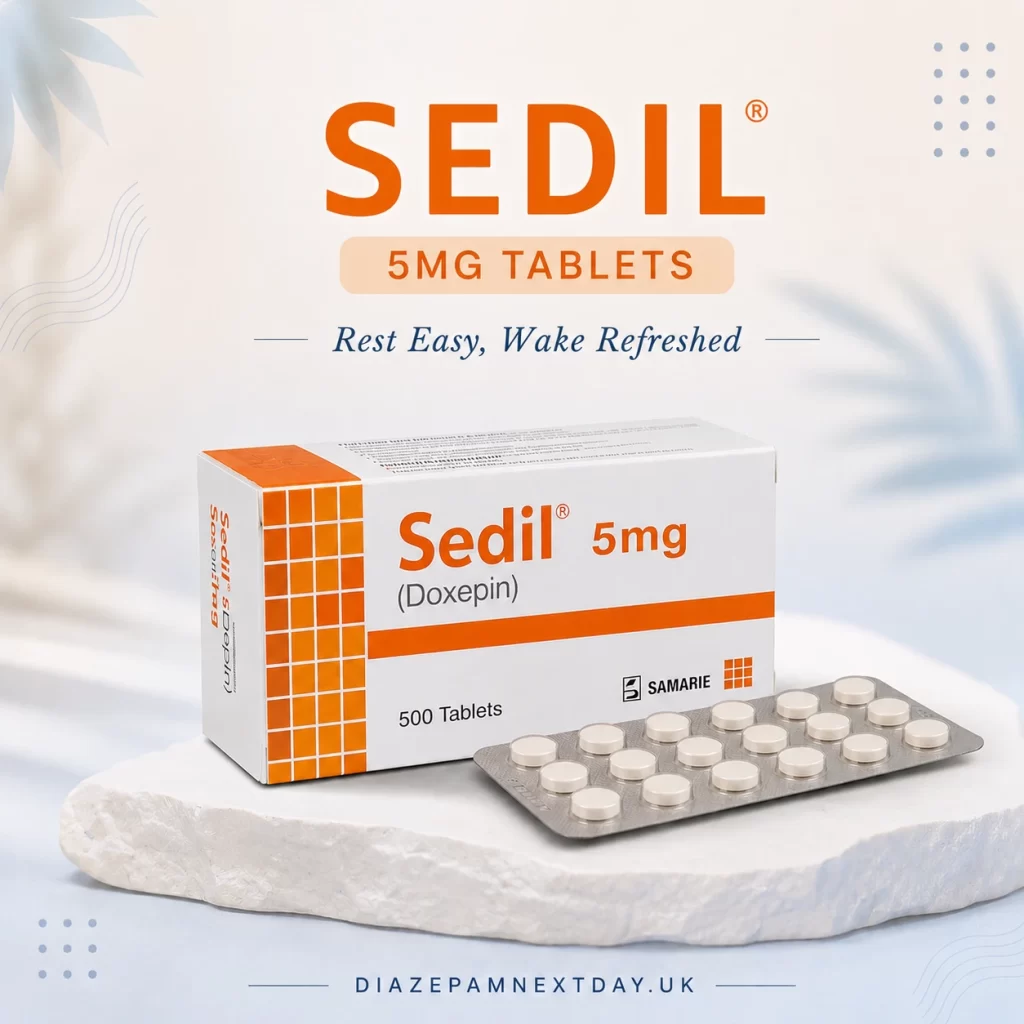
Buy Sedil 5mg UK
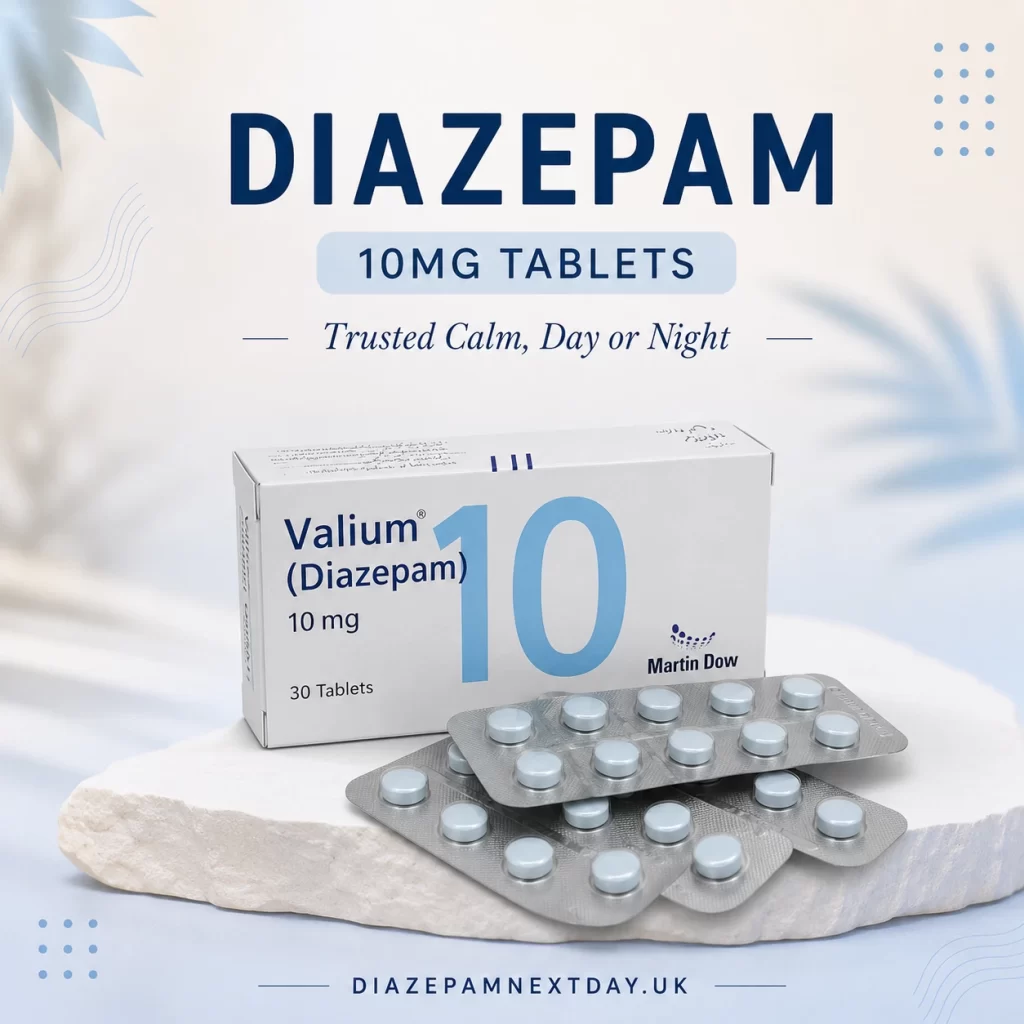
Buy Valium Martin Dow

Buy Bensedin 10mg Diazepam
OUR BLOGS
Diazepam: Uses, Strengths, Side Effects, and UK Safety Guidance
Diazepam is a prescription-only benzodiazepine that has been a cornerstone……
Benzodiazepines: Benefits, Risks, and Why Short-Term Use Matters
Benzodiazepines are a class of psychoactive drugs primarily used to treat anxiety……
Muscle Spasms: Why They Happen and When Medicine Helps
Muscle spasms are involuntary contractions that can cause pain, stiffness, and……